
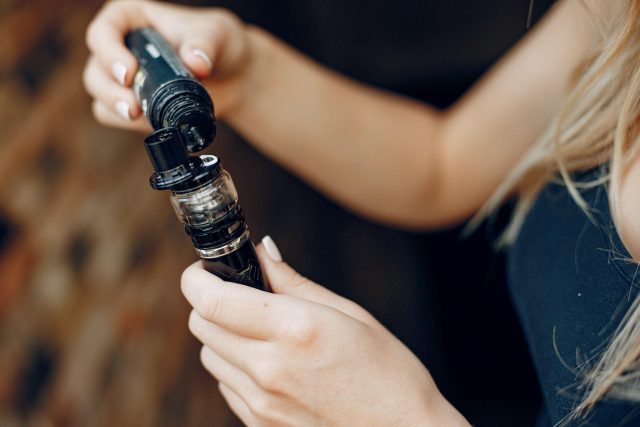
Searches often focus on speed, selection, and strain names, but once a vape arrives, the real experience comes down to how it’s used. One of the most overlooked factors is voltage—especially when ordering through an online weed delivery service near me, which gets your products quickly to your door. Vape voltage quietly controls how your oil tastes, how smooth each hit feels, and whether those delicate terpenes survive or disappear.
Voltage isn’t about being technical. It’s about control—and better flavor.
Why Vape Voltage Matters More Than Most People Think
The Hidden Control Behind Every Puff
Voltage determines how much power reaches the heating element. That power decides whether oil gently vaporizes or gets scorched. Small adjustments can mean the difference between bright, flavorful hits and harsh, burnt ones.
Flavor vs Power Explained Simply
Think of voltage like the flame on a stove. Too low, and nothing cooks properly. Too high, and everything burns. Flavor lives in the middle.
What Is Vape Voltage?
Voltage Basics in Plain Language
Voltage is the electrical pressure pushing power from the battery to the coil. Higher voltage equals more heat. Lower voltage equals gentler vaporization.
How Voltage Differs From Wattage
Wattage combines voltage and resistance. Voltage is simpler and more direct for most vape users, especially with cartridges.
Why Voltage Is Easier for Users to Control
Many vape pens offer voltage settings without requiring technical knowledge. Adjusting voltage gives immediate feedback through flavor and vapor feel.
How Voltage Directly Affects Flavor
Low Voltage and Terpene Preservation
Lower voltage settings protect terpenes, the compounds responsible for aroma and taste. This is where citrus, pine, and floral notes really shine.
High Voltage and Flavor Burn-Off
High voltage burns through terpenes quickly. The result is thicker vapor but flatter, harsher flavor.
The Relationship Between Voltage and Temperature
Heat Levels and Vapor Quality
As voltage increases, temperature rises. Excessive heat destroys flavor compounds before you can enjoy them.
Finding the Sweet Spot
Most oils perform best between 2.5V and 3.3V. This range balances vapor production with flavor retention.
Voltage Settings and Vapor Production
Thin Vapor vs Dense Clouds
Low voltage produces lighter vapor with better taste. Higher voltage creates thicker clouds but sacrifices nuance.
Why More Vapor Isn’t Always Better
Clouds can look impressive, but flavor suffers when oil vaporizes too aggressively.
How Different Oils React to Voltage
Distillate vs Live Resin
Distillates tolerate higher voltage better. Live resin and terpene-rich oils require lower settings to maintain flavor.
Terpene-Rich Oils and Sensitivity
The more aromatic the oil, the more sensitive it is to heat. Gentle voltage preserves complexity.
Voltage Control in Modern Vape Devices
Fixed Voltage Devices
These are simple but limiting. They often run hotter than necessary, reducing flavor quality.
Adjustable Voltage Batteries
Adjustable devices allow fine-tuning based on oil type and personal preference, especially useful with a thc vape pen designed for varied concentrates.
Common Voltage Mistakes That Ruin Flavor
Starting Too High
Many users begin at the highest setting, instantly burning off terpenes before tasting the oil properly.
Chasing Clouds Instead of Taste
Cloud-focused settings sacrifice flavor depth and smoothness.
Voltage and Coil Longevity
How Voltage Affects Coil Life
Higher voltage shortens coil lifespan by overheating the heating element.
Preventing Burnt Hits
Lower voltage extends coil life and prevents that unpleasant burnt taste.
Flavor Consistency From Start to Finish
First Puff vs Last Puff
Proper voltage keeps flavor consistent throughout the cartridge instead of degrading halfway through.
Why Voltage Stability Matters
Stable voltage means predictable performance, not random harsh hits.
Voltage, Efficiency, and Oil Waste
Conserving Oil With Proper Settings
Lower voltage vaporizes oil evenly, reducing waste and residue buildup.
Avoiding Overheating Loss
Overheating causes oil to evaporate inefficiently, shortening cartridge life.
How Dispensaries Recommend Voltage Ranges
Industry Best Practices
Most professionals suggest starting low and increasing slowly until flavor peaks.
Why Recommendations Vary
Oil viscosity, terpene content, and coil design all influence ideal voltage.
Choosing the Right Voltage for Your Preferences
Flavor-Focused Users
Stick to lower settings for smooth, aromatic hits.
Balanced Users
Mid-range voltage offers a mix of flavor and vapor density.
Final Thoughts on Mastering Vape Voltage
Vape voltage is one of the simplest ways to improve flavor without changing products. By understanding how voltage affects heat, terpenes, and vapor quality, you gain control over every session. Instead of chasing clouds or guessing settings, dialing in the right voltage lets your oil perform exactly as intended.